Field-tested since 2011

About Nile Heritage Advisory

We are a Cairo-based team of Egyptologists, archaeologists, and heritage travel specialists committed to independent, accurate guidance on Egypt's most significant historical sites.

Our Origins

Built from Frustration with Bad Information

Nile Heritage Advisory was founded in 2011 by Dr. Laila Mansour, a Cairo University Egyptologist, and her colleague Karim El-Rashidi, a field archaeologist who had spent eight seasons excavating at Abydos. Both had watched — year after year — as visitors arrived at Egypt's greatest monuments armed with outdated guidebook facts, commercially influenced tour scripts, and a general bewilderment about where to look and what they were actually seeing.

The problem was not a lack of published information. Egypt has been documented extensively for two centuries. The problem was that most visitor-facing information was either academically inaccessible or shaped by the commercial interests of the tourism industry. Tour operators had every incentive to route clients through the most profitable sites — those with the highest commission structures — rather than the most historically rewarding ones.

The solution Laila and Karim devised was straightforward: offer professional-grade heritage analysis to the general public, without any commercial conflicts of interest. No referral arrangements with hotels or operators. No sponsored content. No partnerships that would compromise the honesty of their assessments. Clients would pay directly for research time, and the output would be calibrated to the traveller's specific interests and background.

In the fifteen years since, the advisory has grown to a team of nine specialists, published briefings on over 340 sites across Egypt's 27 governorates, and assisted more than 4,800 individual travellers, researchers, journalists, and documentary production teams.
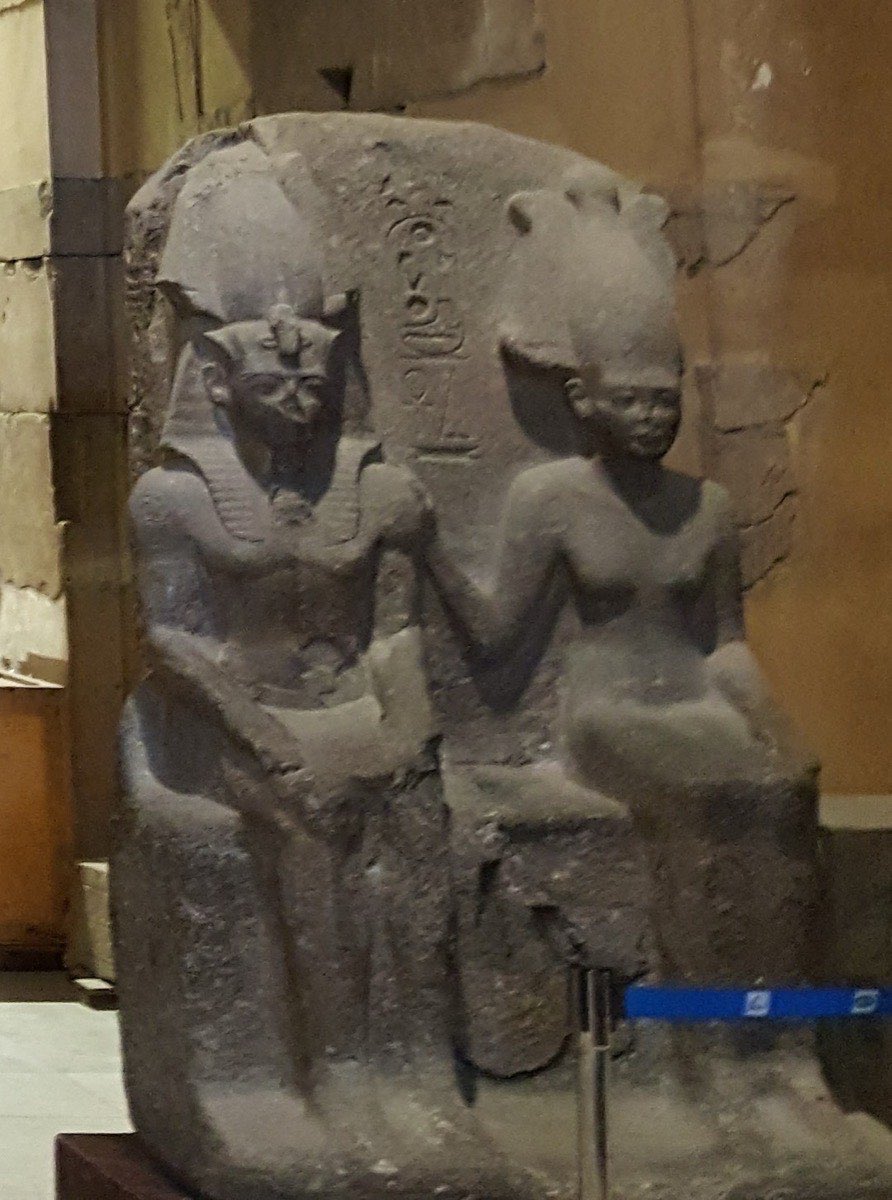
Artefact display in the Egyptian Museum Cairo showing ancient statuary and reliefs
What We Stand For

Mission, Values, Standards

Three principles drive every briefing, itinerary, and consultation we produce.

Accuracy Above All

Every Claim Verified On-Site

We do not accept secondary sources as sufficient for our briefings. Opening hours, ticket prices, internal access restrictions, current conservation closures, and new excavation findings are verified through direct site visits or confirmed via contact with the Supreme Council of Antiquities. If information cannot be verified, we say so explicitly.

Commercial Independence

No Hidden Interests

We accept no referral fees, affiliate commissions, or partnership revenue from tourism operators, accommodation providers, or transport companies. Our assessments of sites, guide quality, and visitor experience are never influenced by commercial relationships. This is the foundational guarantee of our advisory work.

Scholarship in Plain Language

Expert Knowledge, Accessible Format

Our briefings are written by specialists for non-specialist readers. Historical context is essential — a site visited without understanding its place in Egyptian history is just a large pile of stone. We make that context vivid and usable without requiring clients to read academic journals first.

The People Behind the Work

Our Specialist Team

Nine professionals with backgrounds in Egyptology, archaeology, Islamic heritage, conservation, and heritage journalism work across our Cairo office and field sites throughout Egypt.

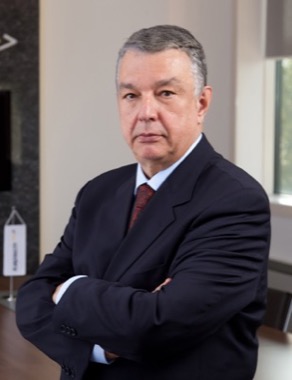
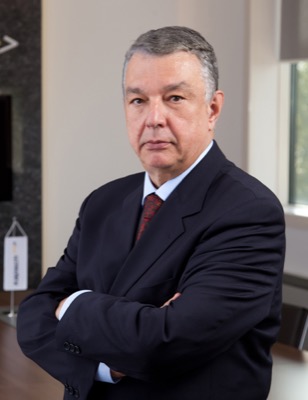
Dr. Laila Mansour, Founder and Lead Egyptologist at Nile Heritage Advisory

Dr. Laila Mansour

Founder & Lead Egyptologist

PhD from Cairo University's Faculty of Archaeology, with specialisation in New Kingdom temple architecture. Laila led the founding of the advisory in 2011 after twelve years of field research across Luxor, Aswan, and the Delta. She oversees the editorial standards for all site briefings and maintains the advisory's relationships with Egypt's Supreme Council of Antiquities.

Karim El-Rashidi, Field Archaeologist and Co-Founder at Nile Heritage Advisory

Karim El-Rashidi

Co-Founder & Field Archaeologist

Eight seasons of excavation experience at Abydos and Tell el-Amarna under joint Egyptian-American missions. Karim manages the advisory's site verification programme, personally conducting or supervising in-person assessments across Upper Egypt. He is the lead author of the advisory's Luxor, Aswan, and Middle Egypt briefing series.

Field researchers at an Egyptian archaeological site for Nile Heritage Advisory

Dr. Nadia Fares

Curator Liaison & Museum Specialist

Former assistant curator at the Egyptian Museum in Tahrir Square, Nadia joined the advisory in 2015. Her contacts within Cairo's major museum institutions allow the advisory to maintain accurate, up-to-date assessments of collection displays, temporary exhibitions, and storage-to-gallery rotation schedules. She leads the advisory's Cairo museum series and Grand Egyptian Museum coverage.

Heritage specialist conducting research for Nile Heritage Advisory Egypt

James Holroyd

Heritage Journalist & Itinerary Writer

A British heritage journalist who relocated to Cairo in 2014, James brings a visitor's perspective to the advisory's output. His itinerary documents are praised for their practical detail — transport times, crowd patterns, local logistics — balanced against the historical depth provided by the archaeology specialists. He has personally visited every site included in our Egypt-wide itinerary catalogue.

Fifteen Years of Work

A Brief History of the Advisory

2011

Founded in Cairo

Dr. Laila Mansour and Karim El-Rashidi establish Nile Heritage Advisory LLC and publish the first five site briefings, covering Karnak, Luxor Temple, the Valley of the Kings, the Egyptian Museum, and the Giza Plateau.

2014

Expansion to Delta and Sinai

The advisory extends its coverage northward to include the Nile Delta (Tanis, Bubastis, Alexandria) and the Sinai Peninsula's ancient quarry and inscription sites, which had been largely absent from mainstream visitor guidance.

2017

Middle Egypt Series Launched

A dedicated Middle Egypt briefing series covers Beni Hassan, Tuna el-Gebel, Hermopolis, and Amarna for the first time in our catalogue, serving the growing number of specialist researchers and repeat visitors seeking beyond the standard circuit.

2020

Video Consultation Service Added

In response to disrupted travel, the advisory launches live advisory consultations by video call, enabling researchers and pre-trip planners worldwide to access specialist knowledge without waiting for an Egypt visit.

2023

Grand Egyptian Museum Coverage Begins

Upon the GEM's phased public opening, the advisory commissions a comprehensive briefing and visitor guide for the new museum, drawing on Dr. Fares's insider knowledge of the collection's organisation and display philosophy.

2026

340+ Sites Covered

The advisory now maintains active briefings on over 340 individual sites, tomb complexes, museums, and archaeological zones, with a team of nine specialists based between Cairo and Luxor.

Registration & Licensing

Legal & Professional Standing

Nile Heritage Advisory LLC is registered in Egypt with the General Authority for Investment and Free Zones (GAFI) under Commercial Registry Number 847-295. Our Egyptian Tax Authority registration number is 634-187-092. We hold a valid Category B tourism support services licence from Egypt's Ministry of Tourism and Antiquities. All professional qualifications held by our team members are verified through the relevant Egyptian academic and professional institutions.

We are a member of the Egyptian Tourism Federation (ETF) and the Arab Travel Agents Association (ATAA). Copies of our registration certificates and professional licences are available on request from our Cairo office.

Academic Partnerships

Working With Research Institutions

The advisory maintains working relationships with Cairo University's Faculty of Archaeology, the IFAO (French Institute of Oriental Archaeology in Cairo), and the EES (Egypt Exploration Society). These partnerships give us advance access to excavation findings and allow our briefings to reflect the most current state of scholarly knowledge, rather than information frozen at the date of the last published guidebook edition.

Research Methodology

How Our Briefings Are Produced

Every document the advisory publishes follows a structured, multi-stage research process designed to ensure accuracy and practical usefulness for the traveller on the ground.

Stage One

Field Verification

A specialist visits the site in person — or, for remote sites in Middle Egypt, Sinai, or the Western Desert, confirms conditions through established contacts with local guides and site guards registered with the Ministry of Tourism and Antiquities. We check current access, actual ticket prices in Egyptian pounds, photography permit requirements, the physical condition of key features, and any recent conservation changes affecting visitor routes. No briefing is published based solely on secondary research.

Stage Two

Scholarly Cross-Reference

Field notes are cross-referenced against current academic literature, excavation reports from the Supreme Council of Antiquities, and our partnerships with IFAO and the EES. Where new excavation findings have altered the scholarly consensus on a site's chronology, use, or significance, the briefing reflects the current state of the field — not the established popular narrative that may lag academic understanding by a decade or more. Citations are available for any factual claim on request.

Stage Three

Editorial Review and Update Cycle

Every published briefing carries a verification date and is scheduled for re-check at least annually, or sooner when significant changes are known to have occurred — a new excavation, a conservation closure, a change in admission policy, or the opening of a previously restricted area. Clients who have purchased a briefing are notified by email when a material update occurs. Outdated information is one of our primary competitive concerns: we treat an inaccurate brief as a reputational failure, not an acceptable margin of error.

In addition to our standard site briefings and itinerary documents, the advisory accepts a small number of bespoke research commissions annually — for documentary production teams, academic researchers, and specialist private groups whose requirements fall outside our published catalogue. Enquiries of this type are handled directly by Dr. Mansour or Karim El-Rashidi. Please contact the Cairo office to discuss scope and availability.

Our work has been referenced in academic contexts, cited in travel journalism appearing in several European and North American publications, and commissioned by a number of international heritage organisations. We do not publicise client names without permission, but we are happy to provide references from past clients on request when this is relevant to a commissioning decision.