Museum specialist Dr. Nadia Fares · Updated April 2026

Cairo's Museums — Complete Guide

Cairo holds five world-class museums covering ancient Egyptian, Coptic, Islamic, and modern heritage. This guide reviews each in terms of collection quality, current display organisation, logistical access, and what specifically to look for — produced by our in-house museum specialist with curatorial contacts across the Cairo institutions.

Giza · Opened 2022–2024

Grand Egyptian Museum (GEM)

The Grand Egyptian Museum, located on the desert plateau adjacent to the Giza Pyramids and visible from the main Cairo–Alexandria road, is the largest archaeological museum in the world by floor area. Its construction and phased opening represents the most significant investment in Egyptological display in half a century. The museum is designed around a grand staircase hall — the Atrium — where 87 colossal royal statues form a permanent processional gallery traversed before entering the main exhibition floors.

The Tutankhamun gallery on the upper floor houses the complete grave goods of the young king in purpose-designed cases — over 5,000 objects, the majority of which were not previously on permanent public display. The reconstruction of the golden throne chariot canopy, the nested coffins displayed in sequence, and the gilded wooden shrine with carved figures of Nekhbet and Wadjet are among the most extraordinary objects in any museum in the world. Allow two to three hours for the Tutankhamun gallery alone; it cannot be meaningfully absorbed in less.

The permanent history galleries trace Egyptian civilisation from the Prehistoric and Predynastic periods through the late New Kingdom in chronological sequence across both main floors. The installation quality — lighting, labelling, case design — is substantially better than the Egyptian Museum on Tahrir and makes objects legible that were previously difficult to examine. The Predynastic and Early Dynastic section is particularly strong, displaying material rarely exhibited anywhere.

  • Tickets: EGP 900 standard (international); EGP 1,200 with Tutankhamun gallery
  • Opening hours: 09:00–17:00 daily
  • Location: Al Remaya Square, Giza, 2 km from Great Pyramid entrance
  • Transport: taxi from central Cairo 30–40 minutes; combine with Giza Plateau in one day
  • Allow minimum: 4 hours (standard galleries); 6 hours (with Tutankhamun)
Grand Egyptian Museum atrium with royal statues along the grand staircase
Egyptian Museum Tahrir Square interior display hall with ancient artefacts
Tahrir Square · Founded 1902

Egyptian Museum, Cairo

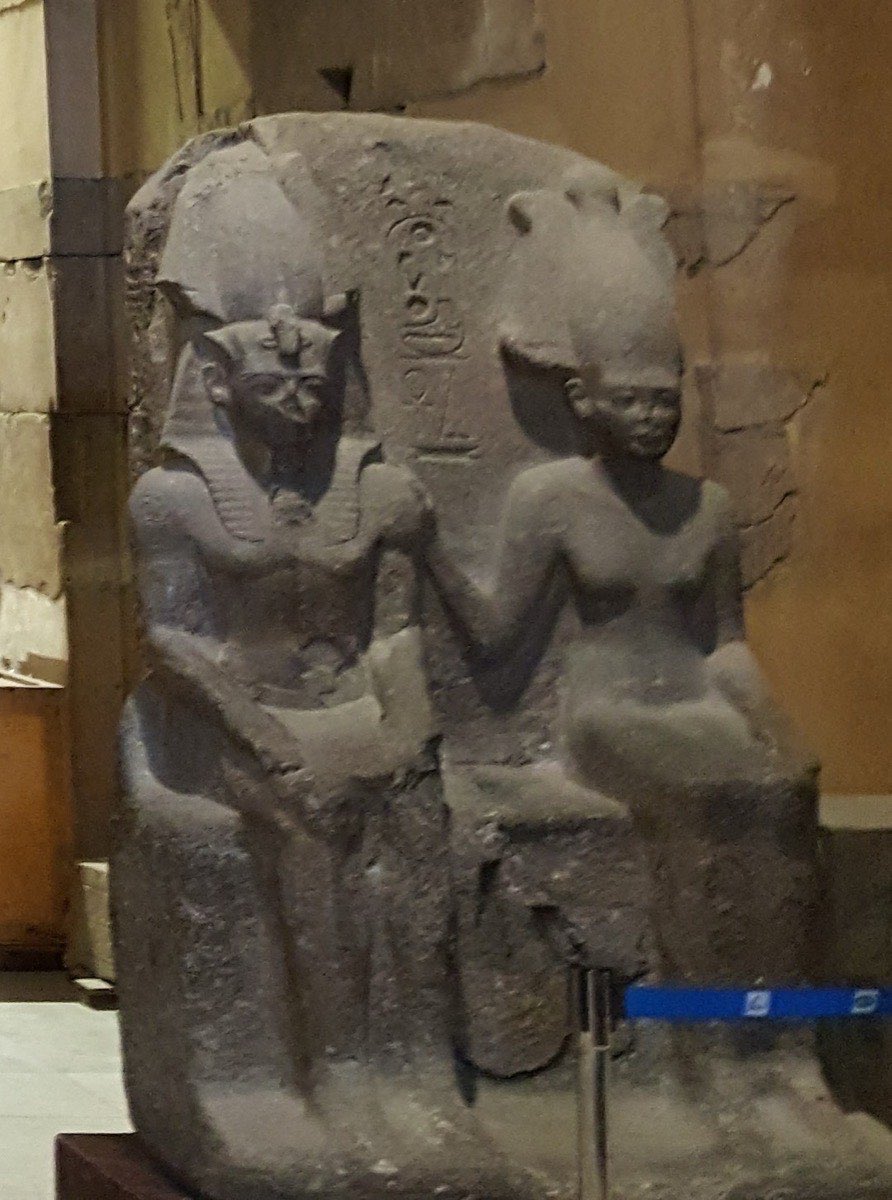
Founded in 1902 and housed in a pink-painted Neo-classical building designed by Marcel Dourgnon, the Egyptian Museum on Tahrir Square is one of the world's oldest and largest collections of pharaonic material. Despite the transfer of many headline objects to the GEM, the museum retains approximately 120,000 artefacts across 107 halls — many of which are not on display at the GEM and will not be in the foreseeable future.

The museum's greatest strengths are its Middle Kingdom material (wooden models, painted coffins, jewellery from Dahshur), the Amarna Period gallery (offering one of the few comprehensive displays of the stylistically radical art produced under Akhenaten), and the basement treasury of Tanis — intact 21st and 22nd Dynasty royal burials whose gold and silver grave goods rival Tutankhamun in craftsmanship and are almost completely unknown to general visitors.

The presentation is old-fashioned — labels are often sparse, lighting uneven, and many rooms crowded with cases that have not been reorganised since the 1960s. This creates the experience of genuine archaeological discovery for attentive visitors; it is frustrating for those accustomed to modern museum installation standards. Our museum briefing provides a room-by-room routing plan identifying the ten most significant objects not visible at the GEM.

  • Ticket: EGP 450 standard; Royal Mummy Room requires EGP 400 additional
  • Hours: 09:00–17:00 daily; last entry 16:00
  • Location: Tahrir Square, central Cairo (direct Metro access, station: Sadat)
  • Allow: 3–4 hours; half-day for serious collection engagement
  • Photography: permitted throughout (no tripods); no flash in mummy room
Combined with Giza Plateau — see our guide
Beyond the Pharaonic Collections

Coptic, Islamic, and Specialised Museums

Cairo's story extends well beyond the pharaonic period. These institutions document the city's Coptic Christian and Islamic heritage with collections that are substantive, often undervisited, and accessible within the city's central districts.

Interior courtyard of the Coptic Museum in Old Cairo showing carved stone screens

Old Cairo (Misr al-Qadima)

Coptic Museum

The Coptic Museum in Old Cairo holds the world's largest collection of Coptic Christian art and artefacts, spanning the 3rd to 13th centuries CE. The collection includes carved stone screens, textiles, metalwork, and manuscripts — among them the Nag Hammadi Codices, 13 bound papyrus books discovered in 1945 containing 52 early Christian texts. The adjacent Hanging Church (al-Muallaqah), one of the oldest churches in Egypt, is built over a gatehouse of the Roman fortress of Babylon and is worth visiting in combination. Ticket: EGP 200. The walk through the lanes of Old Cairo between sites is itself historically significant.

See heritage touring options
Gallery inside the Museum of Islamic Art in Cairo showing inscribed metalwork and ceramics

Bab al-Khalq

Museum of Islamic Art

One of the most significant Islamic art collections in the world, the Museum of Islamic Art at Bab al-Khalq holds over 100,000 objects from the Fatimid, Ayyubid, Mamluk, and Ottoman periods — woodwork, ceramics, glass, textiles, manuscripts, and metalwork spanning the 7th to 19th centuries. The museum was severely damaged in a 2014 car bombing and reopened in 2022 following extensive restoration. The reinstalled galleries represent one of the finest Islamic art exhibitions in the region. Ticket: EGP 200. Best combined with a walk through the medieval Islamic Cairo district (Al-Muizz Street) adjacent.

Cairo visit planning tips
Bibliotheca Alexandrina reading room Alexandria Egypt modernist architecture

Alexandria

Bibliotheca Alexandrina

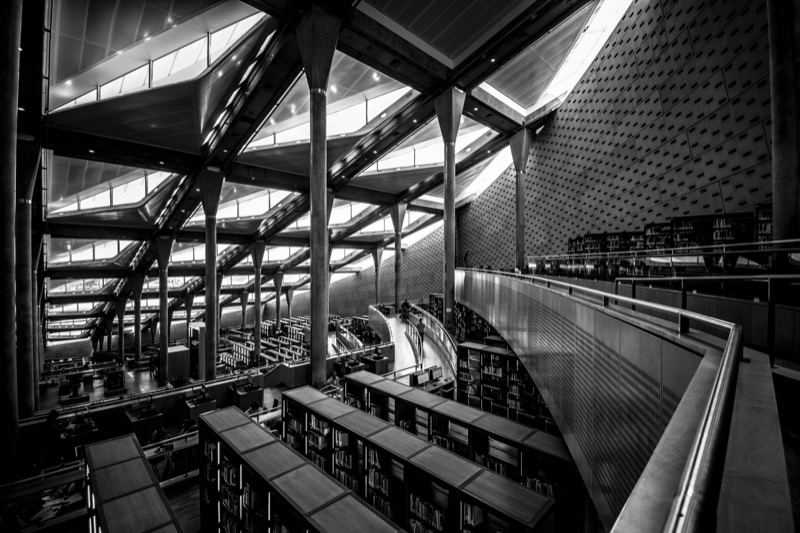
Not strictly a Cairo institution, but reachable as a day trip from Cairo by high-speed Intercity rail (two hours). The Bibliotheca Alexandrina's cultural complex includes the Antiquities Museum (displaying objects from Alexandria's Ptolemaic and Roman periods), the Manuscripts Museum, the Sadat Museum, and a contemporary art gallery. The reading room itself — an oblique disc of granite and concrete designed by Snohetta and opened in 2002 — is one of the most architecturally significant buildings in the Middle East. Ticket: EGP 150. Day trip logistics from Cairo detailed in our heritage tours guide.

Alexandria day trip logistics
Continue Exploring

Related Guides

Giza

Giza Plateau Guide

The GEM is located 2 km from the Giza Plateau entrance. Our Giza guide covers pyramid access, the Sphinx, Solar Boat Museum, crowd timing, and the optimal sequence for combining both sites in one day.

Read Giza Guide

Multi-site

Heritage Tours Overview

How to structure a Cairo stay around museums and archaeological sites — optimal day sequencing, which combinations work logistically, and whether Cairo deserves two days or five depending on your interests.

Read Heritage Tours

Practical

Visitor Tips

Photography rules at the GEM and Egyptian Museum, bag check procedures, temperature management in summer, and the specific practical details our museum specialist recommends for getting the most from a Cairo museum day.

Read Visitor Tips